Ultimate Protect For Your Paint
Premier Paint Protection Film Service in Howell Township, NJ
A Durable Shield to Protect Your Paint
When you drive your car, your paint is taking daily hits. Not dramatic ones, just the steady kind that add up fast: rock chips on the bumper, sand and grit on the hood, scuffs near door edges, and road debris that slowly turns a clean finish into one that looks worn down. Paint Protection Film helps slow that process because it acts as a physical barrier, not a temporary product you apply and rinse away.
PPF is a clear urethane film installed over painted surfaces to absorb small impacts and resist light abrasions. With modern films, minor surface marks can soften and disappear with heat from the sun or the vehicle itself, helping the finish stay cleaner looking over time. It’s especially valuable on newer vehicles, performance cars, and darker paint colors that tend to show defects more easily.
At Color Correctors Auto Spa, we approach PPF as a finish-critical service. The final result depends on proper prep, precise alignment, and careful edge finishing so the film blends naturally with the vehicle’s design. If you want real protection without sacrificing appearance, PPF is the upgrade that makes the most sense.
Paint Protection Film Packages
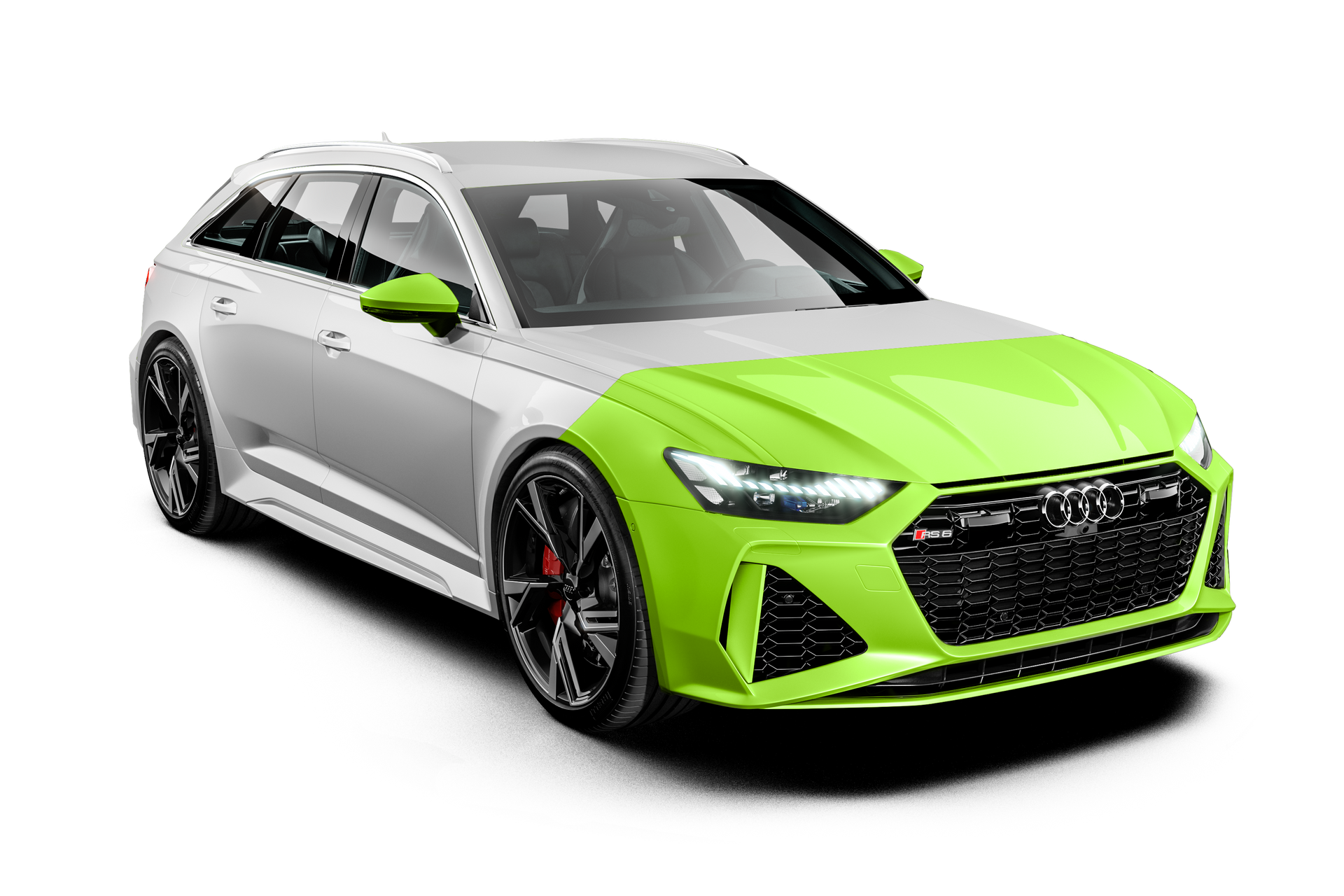
PARTIAL FRONT END COVERAGE
This package provides essential protection for your vehicle’s most vulnerable areas during everyday driving. We expertly apply XPEL PPF to the front bumper, 20 inches of the hood, fender tips, and mirror backs.
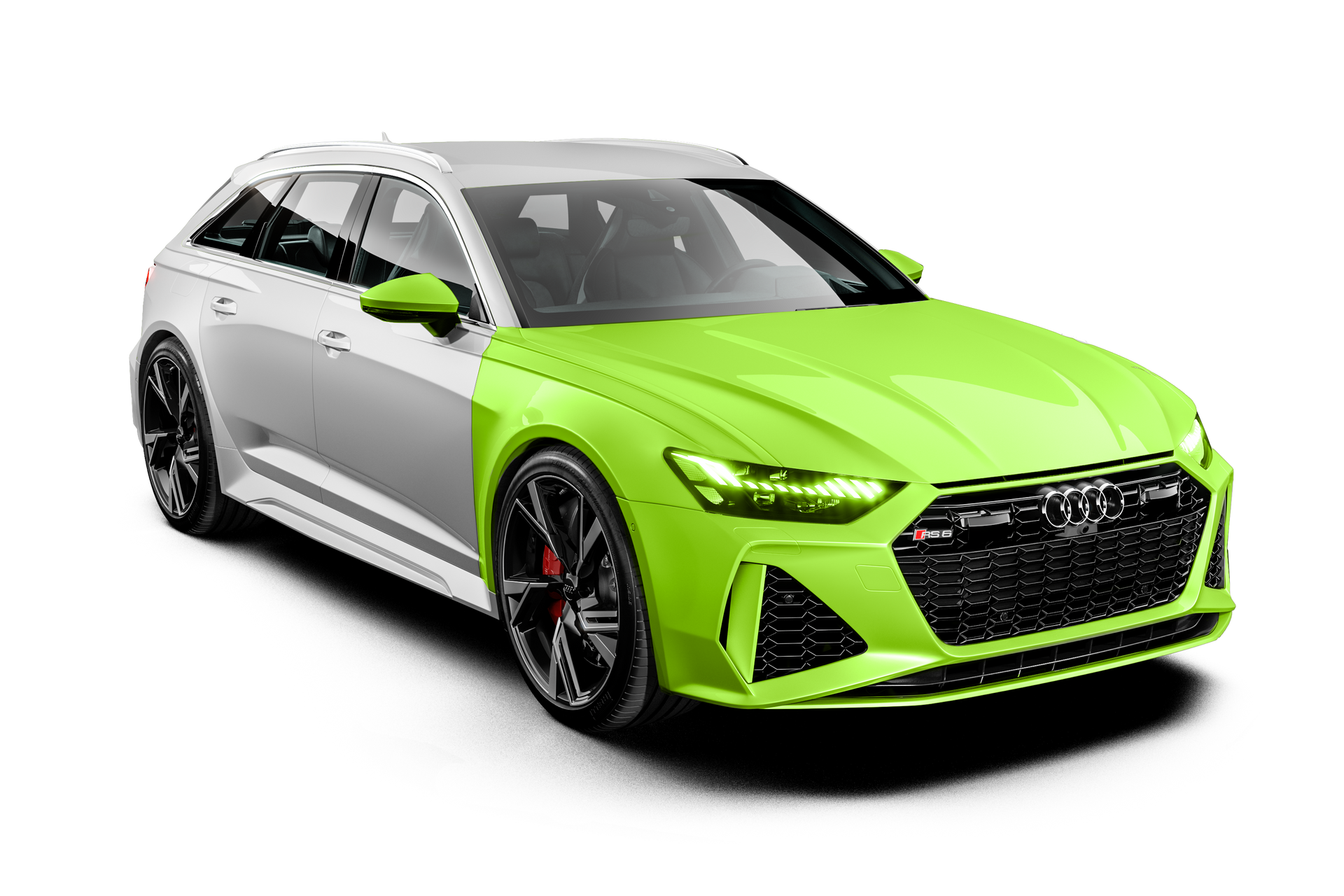
FULL FRONT END COVERAGE
Building on the Partial package, this full front protection package offers enhanced coverage. It includes the full hood, fenders, front bumper, mirrors, and headlights, making it perfect for Colorado winters.
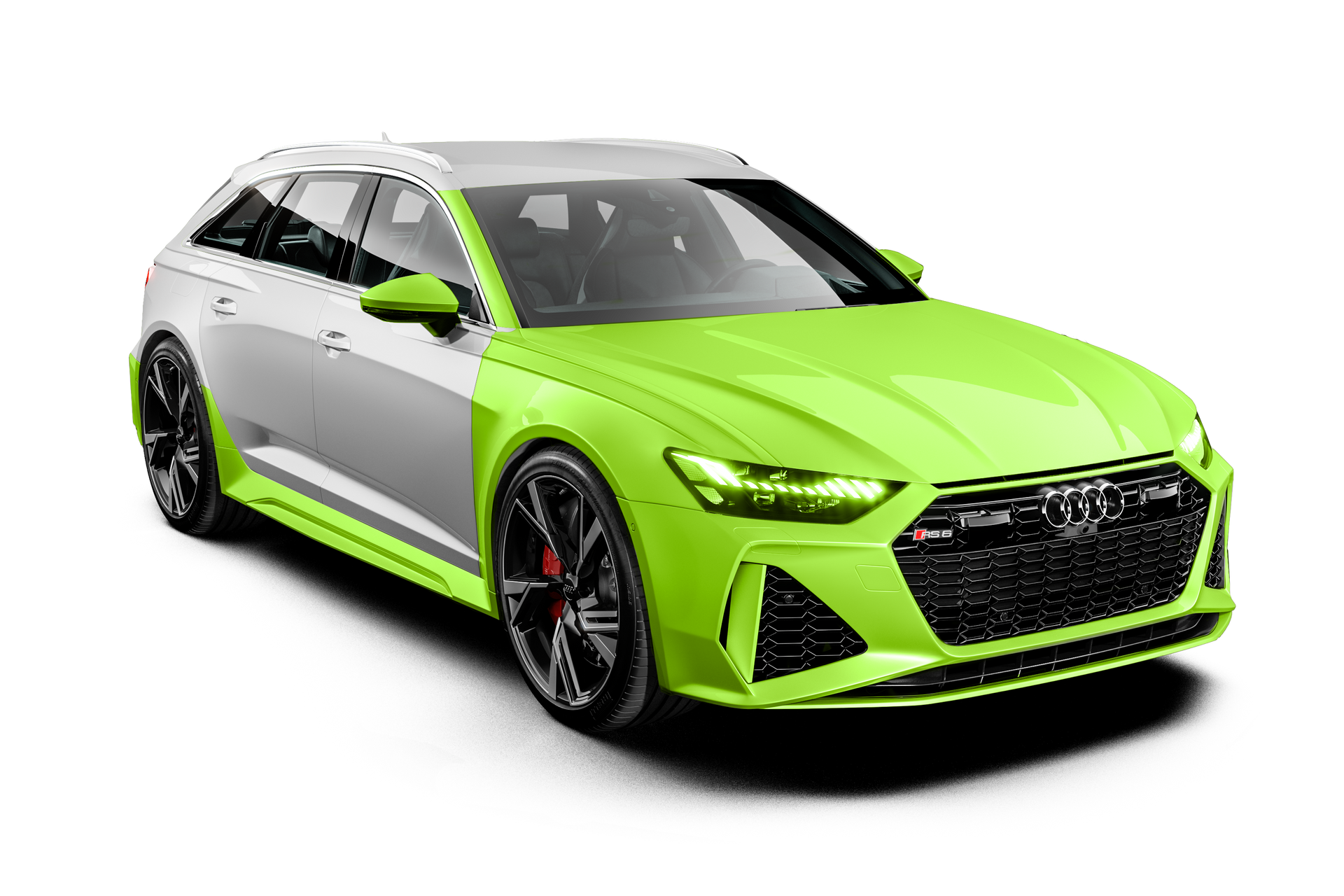
THE NEW JERSEY PACKAGE
New Jersey roads can be absolutely ruthless. This package protects your full hood, fenders, front bumper, mirror backs, headlights, rocker panels (8–12 inches along the bottom), and A-Pillars, ensuring your car can handle debris from trucks on the interstate.
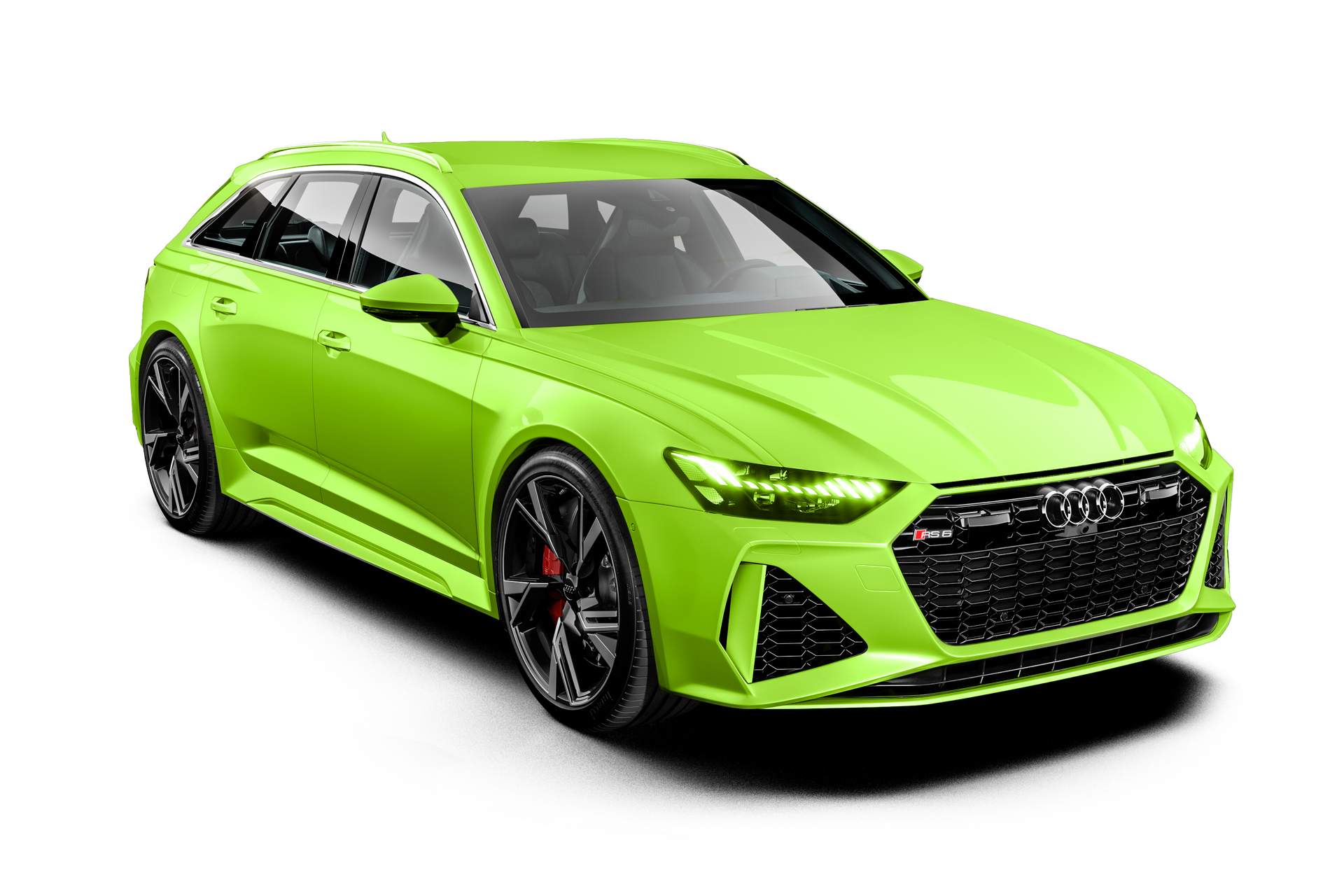
FULL VEHICLE COVERAGE
This is our premier full vehicle protection package. We expertly apply XPEL PPF to every painted body panel, ensuring peace of mind wherever you drive. Also offered in XPEL Stealth.
Custom Pricing Available
We customize every project to ensure the best results. Reach out today for a quote built specifically for your vehicle.
Benefits of PPF for Cars
Protection Against Rock Chips And Road Wear
This is the main reason drivers choose PPF. Highway driving, construction zones, gravel shoulder debris, and everyday commuting can pepper high-impact areas with small chips that are expensive to repair and hard to ignore once you notice them. Film takes the hit first. It helps preserve the panels that typically show wear early, which keeps the vehicle looking newer for longer.
A Cleaner Finish Looking Finish
PPF is built for real driving. You can take road trips, park in normal lots, and use the vehicle the way it is meant to be used without feeling like every drive is a risk. It will not prevent every possible mark, but it dramatically reduces the small damage that makes paint look worn before its time.
A Nearly Invisible Upgrade When Installed Correctly
A good PPF install should not change the look of the vehicle. Clear film is designed to blend into the paint so your color, gloss, and reflections still do the talking. If you want a different appearance, matte and satin options can shift the finish style while still protecting the paint underneath.
Helps Preserve Paintwork And The Money You Invest In It
If you have ever polished a vehicle or paid for correction, you know the problem: one season of driving can undo that clean look with fresh chips and scuffs. PPF helps protect the finish you have invested in, whether that is factory paint you want to keep clean or paint that has been refined for maximum gloss. Long-term, that can mean fewer repairs and a better-looking vehicle if you ever decide to sell.
Get In Touch For a Quick PPF Quote!
Paint Protection Film FAQ
What kind of damage does PPF help prevent?
PPF helps reduce rock chips, road rash, scuffs, and light abrasions that happen from everyday driving. It is especially useful on high-impact areas where debris hits first. It will not make the vehicle invincible, but it can significantly cut down the small damage that makes paint look worn early.
Will you be able to see the film on the paint?
A professional install should look nearly invisible from a normal viewing distance. The film is designed to blend into the paint so the vehicle still looks like paint, not a wrap. The final look depends on prep and finishing details, which is why clean alignment and edge work matter.
Can PPF go over swirls or existing defects?
PPF will not hide defects. It tends to lock in what is already there. If the paint has haze, swirling, or marks you want improved, paint correction should be done before installation so you are protecting a finish you are proud of.
How long does PPF last?
Longevity depends on the film type, where the vehicle is driven, how it is stored, and how it is washed. With proper care, quality film is built to hold up for years while staying clear and consistent.
How do you care for PPF after installation?
After installation, you will want to follow the recommended curing guidance and avoid washing for the initial window. After that, normal, safe washing works well. Avoid harsh scrubbing and abrasive tools, and keep your wash routine clean so the film stays clear and the edges stay looking sharp.
PPF vs Ceramic Coating
What PPF Does Best
Paint Protection Film (PPF) is designed to take the abuse that would normally hit your paint. The easiest way to think about it is like a screen protector on your phone. The protector sits on top of the screen so when it gets scratched or hit, the screen underneath stays untouched.
PPF works the same way for your vehicle. A clear film sits on top of the paint and takes the hit first when rocks, road debris, or other small impacts happen while driving. Instead of that damage going straight into your paint, the film absorbs it and helps prevent rock chips, scuffs, and light abrasions.
This is why PPF is most commonly installed on the areas that take the most abuse such as the front bumper, hood, fenders, and mirrors. If you drive on the highway often or have owned a car long enough to see the front end slowly get chipped up over time, that is exactly the kind of damage PPF is meant to reduce.
At the end of the day, PPF is about protecting the paint from physical damage.
What Ceramic Coating Does Best
Ceramic coating focuses more on protecting the surface of the paint and making the vehicle easier to maintain over time. Instead of adding a thick protective layer like film, the coating bonds directly to the paint and creates a slick, durable surface.
A helpful way to think about it is like applying a very strong, long lasting wax, except it does not wash away after a few weeks. Once applied, the coating forms a hydrophobic layer that causes water to bead up and slide off the paint much more easily.
Because the surface becomes slicker, dirt, road grime, and contaminants have a harder time sticking. The vehicle stays cleaner longer, washing becomes easier, and the paint maintains a deeper, glossier appearance. Ceramic coatings also help protect against UV exposure, oxidation, and chemical stains that can slowly dull the finish over time.
What ceramic coating does not do is stop physical impacts. If a rock hits the paint, a coating will not absorb that hit the way a layer of film can.
At its core, ceramic coating is about protecting the paint’s surface while making the vehicle easier to clean and maintain.
Which One Is Better?
The better option really comes down to what problem you are trying to solve.
If your main concern is preventing rock chips and protecting the areas of the vehicle that take the most abuse while driving, PPF is the stronger choice because it creates a physical barrier between the road and your paint.
If your priority is easier washing, better water beading, long term UV protection, and a deeper gloss, ceramic coating is a great upgrade that helps keep the paint looking better with less maintenance.
Many owners who want the most complete protection choose to combine both. Film is installed on the areas most likely to take damage, while ceramic coating is applied across the rest of the vehicle and over the film to improve water behavior, gloss, and overall ease of cleaning. This approach allows the film to handle impacts while the coating helps the entire vehicle stay cleaner and maintain a consistent finish.
